
Society
Care for the Land
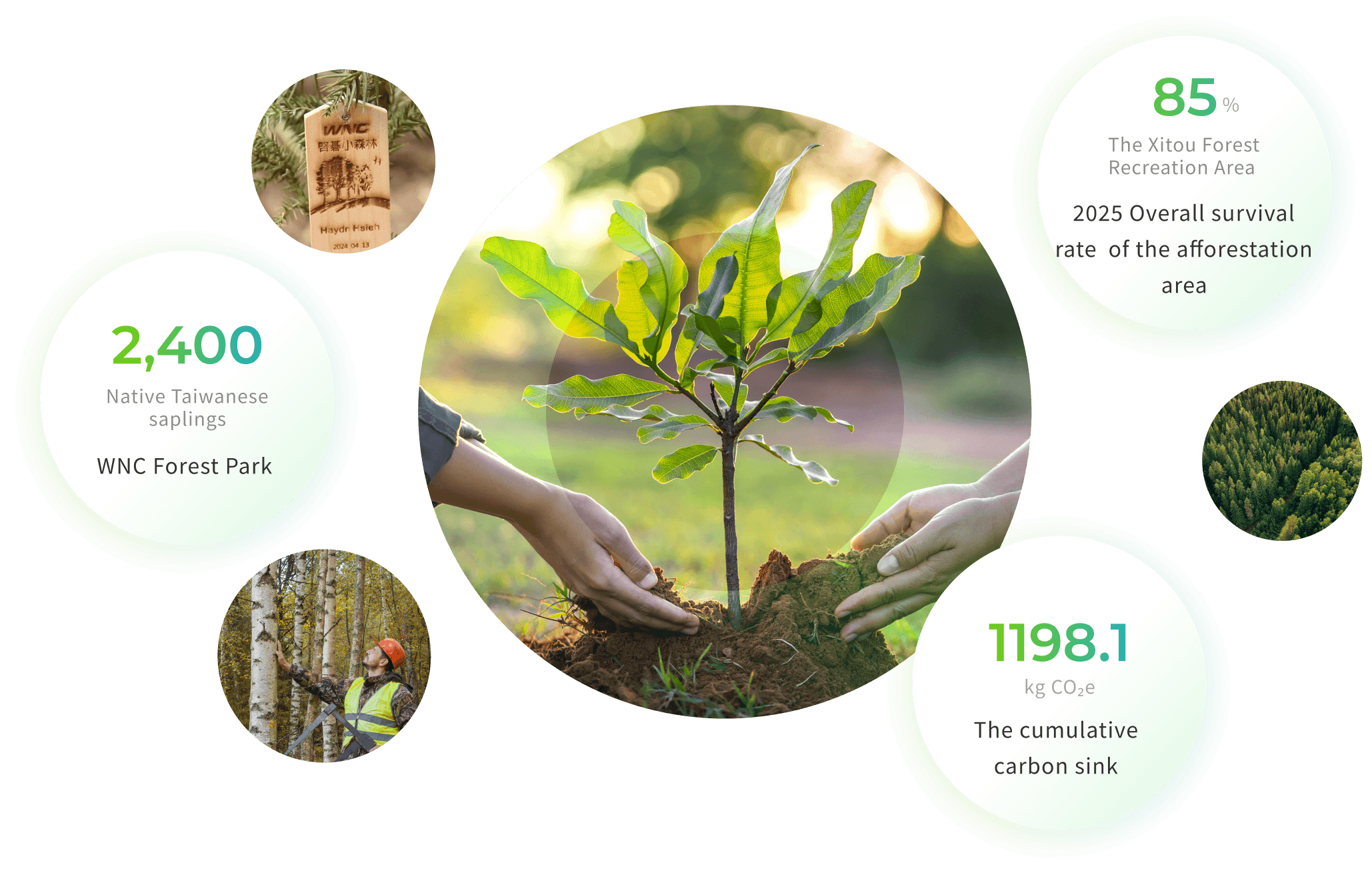
- 啓碁小森林計畫2,400株台灣原生樹種
- 溪頭自然教育園區2025 整體樹木存活率85%
- 造林累積碳匯量1198.1kg CO₂e
01 Issues to be addressed
- Habitat destruction and ecological imbalance caused by overdevelopment and resource depletion
- Environmental pollution risks outside our value chain caused by a lack of environmental awareness
02 Our role
- To promote afforestation initiatives and encourage employees and their families to plant trees, restoring and enhancing ecosystem functions through tree planting and habitat restoration
- To promote and expand environmental education by working with industry, government, academia, research institutes, and social enterprises
03 Our actions
- WNC Forest Park: Reforestation and ecological restoration
- Environmental education: See Taiwan from Above
04 Results
- Enhanced employees’ environmental literacy and strengthened their trust in and identification with WNC's sustainability commitments
- Carried out adopted forest afforestation and restored native tree species through a long-term industry-academia collaboration program, enhancing contributions to natural capital
- Developed methodologies for forest carbon sink management and biodiversity credits to strengthen forest ecosystem value and biodiversity
- Provided environmental education to help children understand the local environment and ecology
Our actions
WNC Forestry Project: Reforestation and ecological restoration
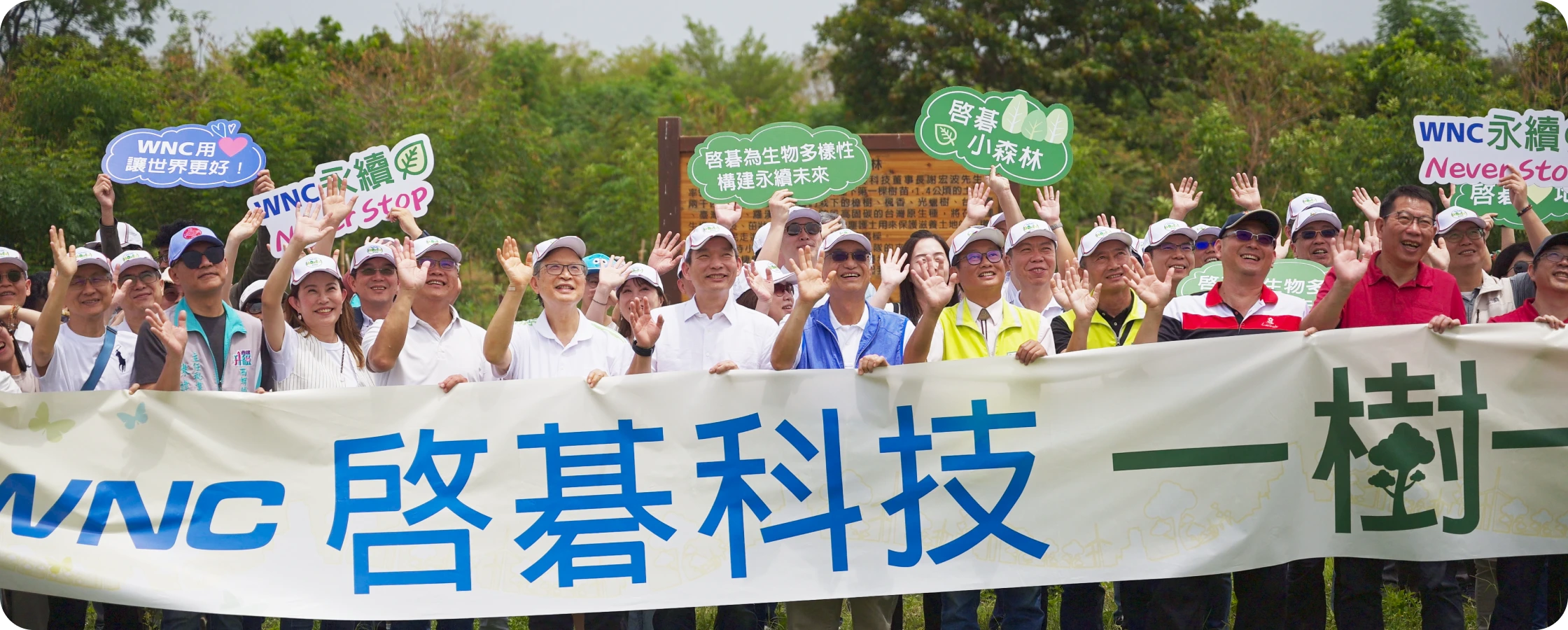
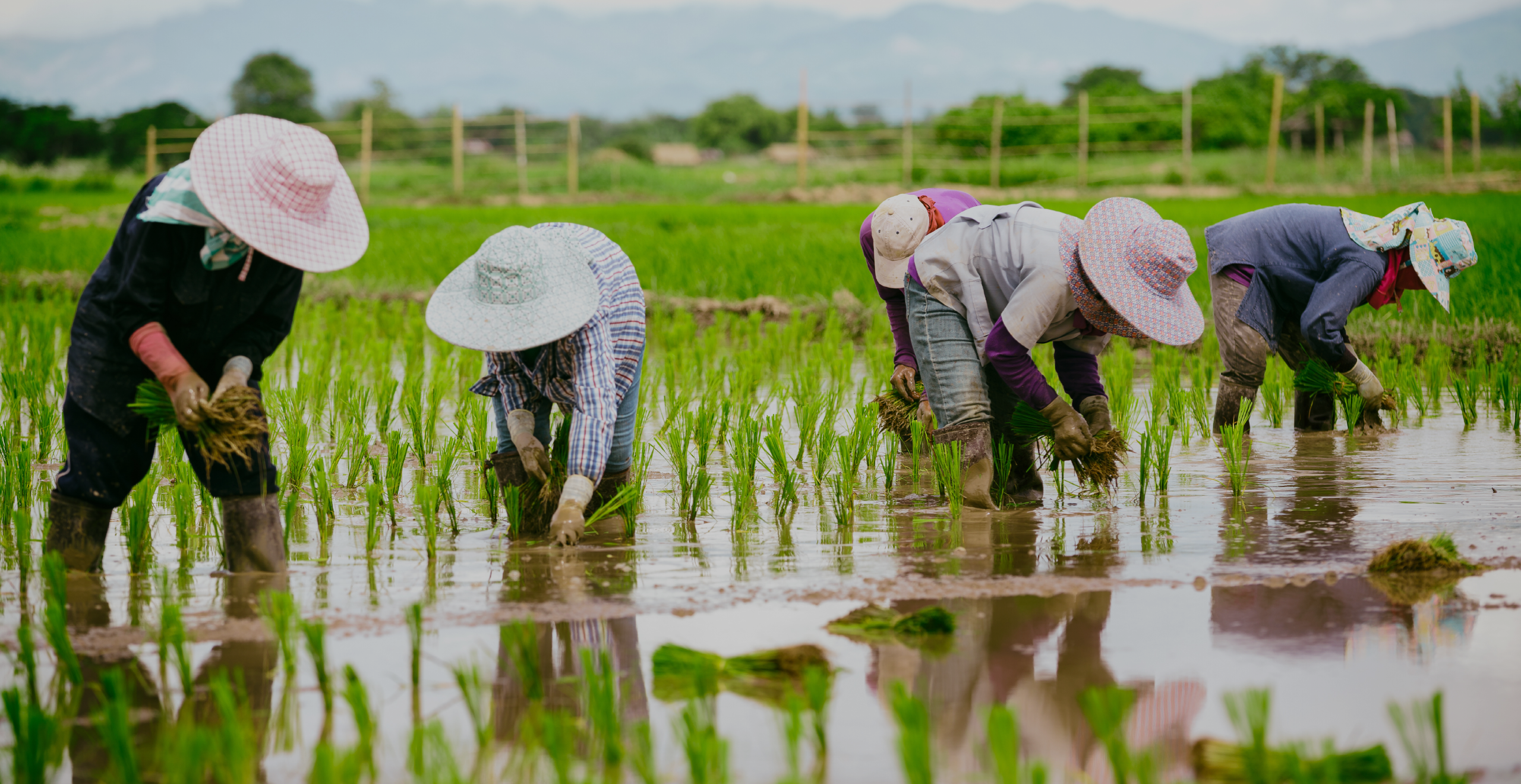
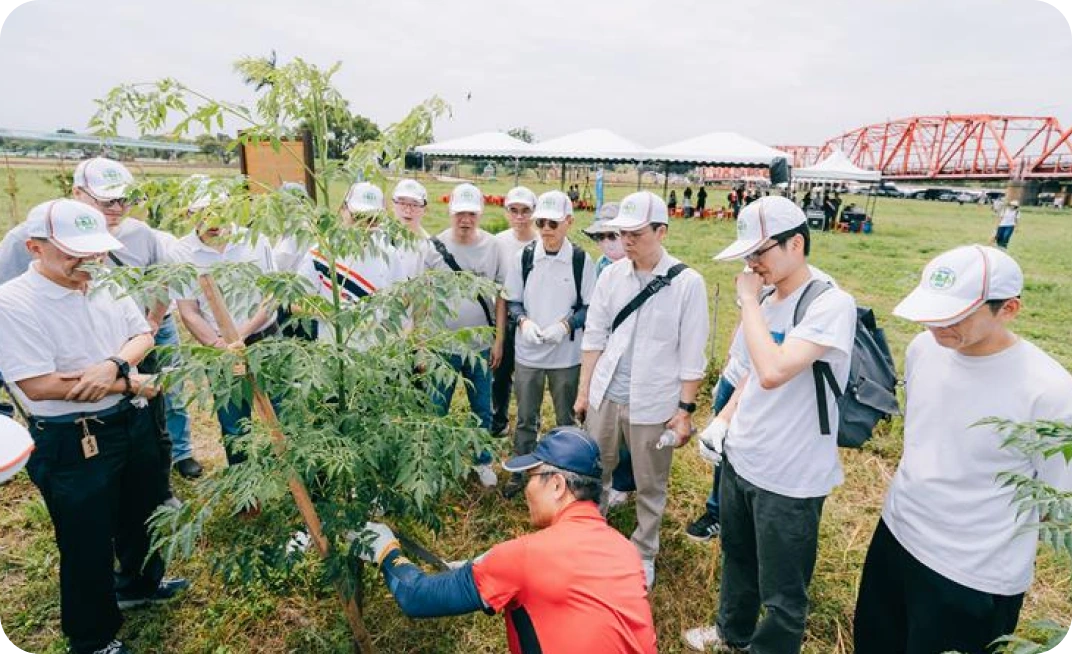
Since 2023, WNC has partnered with the Water Resources Agency of the MOEA, the NTU experimental forest management office, and the Siluo Township Office to launch the WNC Forest Park initiative. This project aims to mitigate airborne dust and smog caused by the northeast monsoon while delivering benefits, such as carbon sequestration, ecological restoration, and implementation of SDG 15. On International Earth Day, 2025, WNC’s Chairman, President & CEO, and Chief Sustainability Officer returned to Siluo. Joined by 115 employees and their family as volunteers, they planted 2,400 native Taiwanese saplings, including camphor, Formosan ash, Taiwan zelkova, Taiwan incense cedar, and Formosan sweetgum, across a 1.4 hectare area along the banks of the Zhuoshui River. The trees planted in these initiatives are maintained in collaboration with industry, government, and academia, transforming WNC’s sustainability commitment into tangible results.
Furthermore, since 2024, WNC has increased its collaboration with the NTU Experimental Forest management office to implement a six-year scientific restoration project for native tree species in the Xitou Nature Education Area. The project encompasses tree survival rate monitoring, carbon sink baseline surveys, and biodiversity assessments. It demonstrates WNC’s long-term commitment to forest restoration and natural capital investment. In 2025, with meticulous cultivation, the overall survival rate of the afforestation area was maintained at 85%. The cumulative carbon sink reached 1198.1 kg CO2e per hectare, an increase of 967.1 kg CO2e compared to the previous year. This progress reflects the project’s effective management, while reinforcing forest long-term health and ecological stability. Moving forward, WNC will continue to utilize systematic monitoring and replanting to ensure high-quality afforestation.
Environmental education: See Taiwan from Above
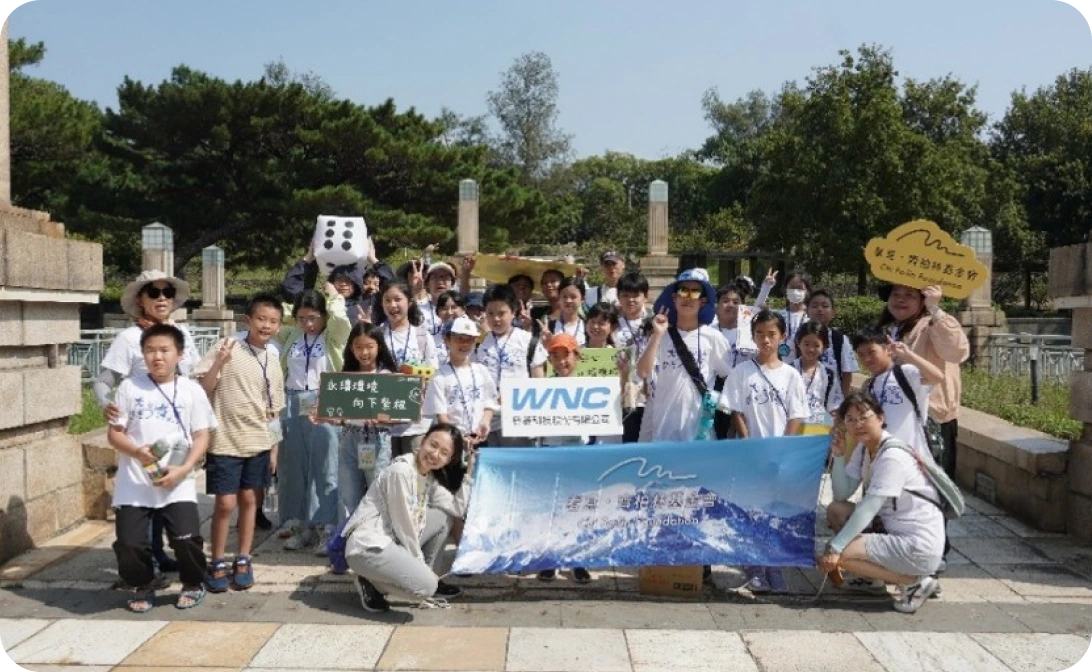
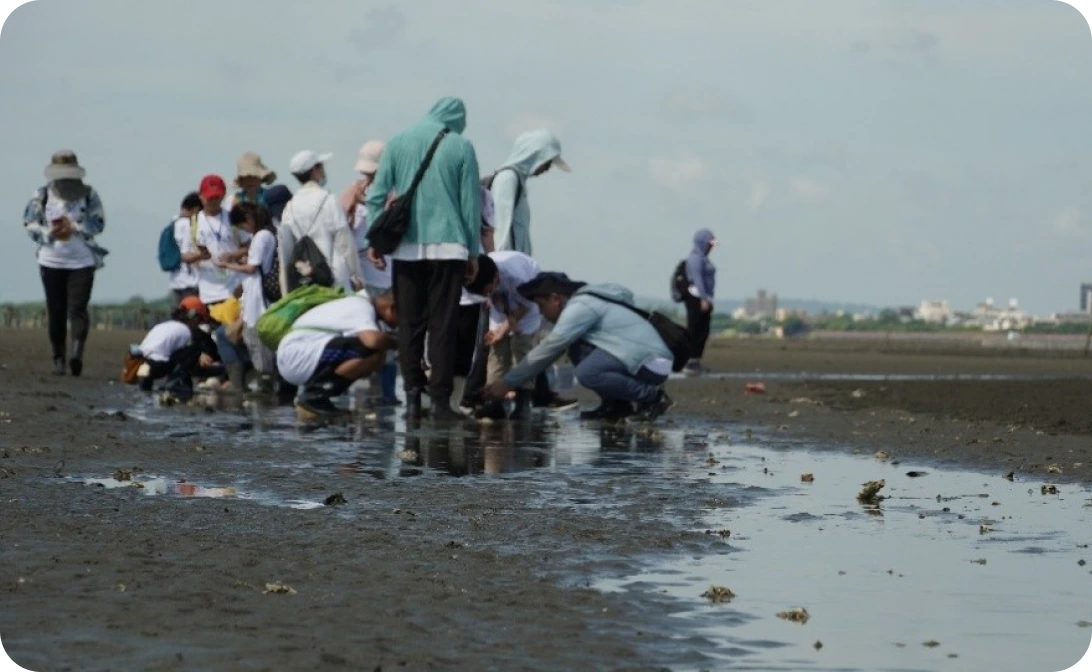
The Chi Po-lin Foundation has long used visual media to promote environmental education. Through compelling imagery, the Foundation aims to evoke emotional resonance and inspire eco-friendly actions toward Taiwan’s land. In 2025, WNC continued its partnership with the Foundation and organized a five-day environmental learning summer camp in the Hsinchu area. A total of 28 students, aged 10 to 14, participated in the camp, including 23 children of WNC employees and five from remote areas or underprivileged families. The courses focused on environmental care and photographic creation, guiding students to visit the Xiangshan Wetlands and 18 Peaks Mountain. Guided by personnel from the Society of Wilderness, participants observed coastal plants and intertidal ecology and used cameras to capture the beauty of our surroundings and create visual storytelling through teamwork. The goal is to raise children’s environmental awareness and build their appreciation for the environments in Taiwan.