
Society
Care for Smallholder Farmers
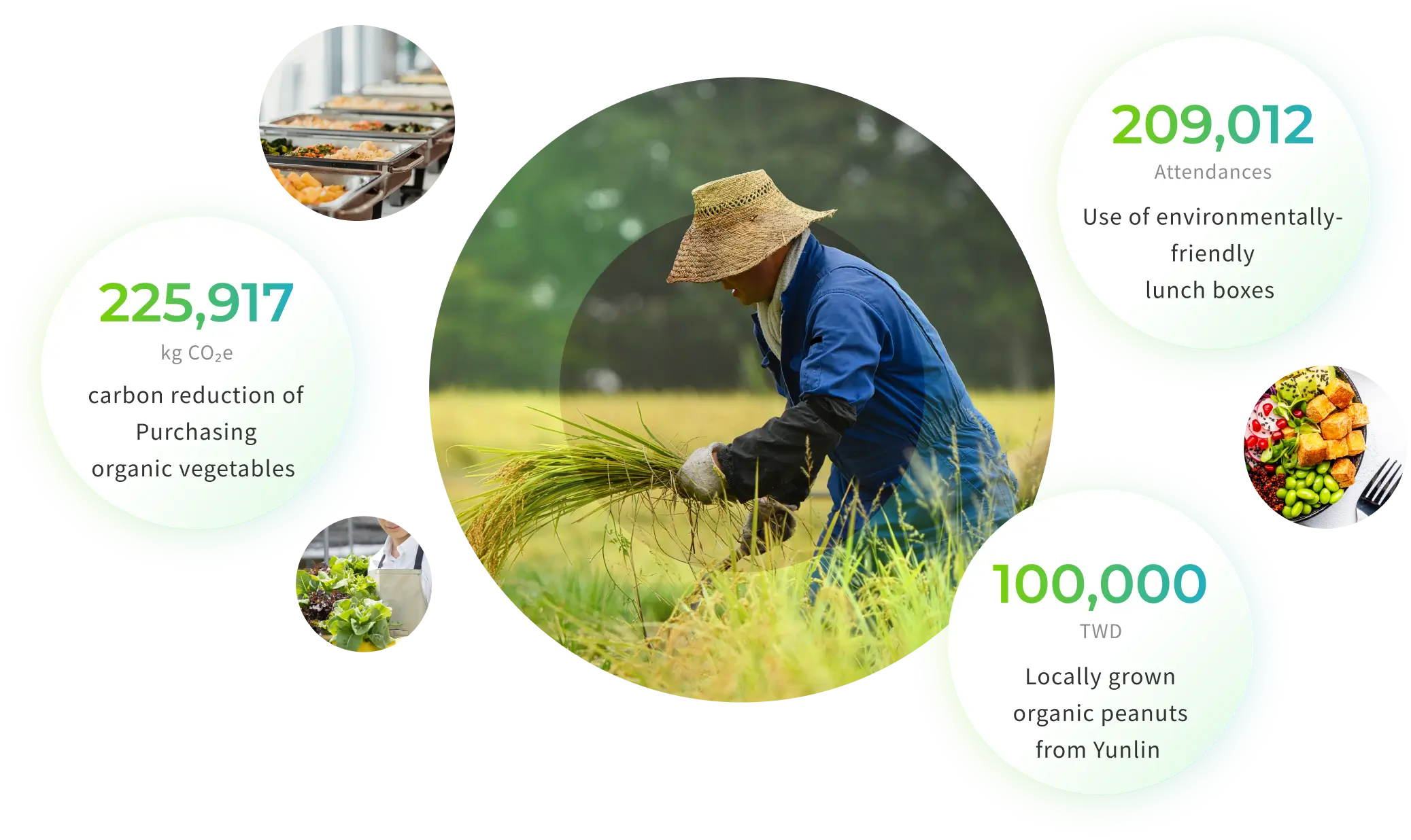
- 採購有機蔬菜減碳量225,917kg CO₂e
- 響應使用環保餐盤209,012人次
- 認購雲林有機花生100,000元
01 Issues to be addressed
- Food safety
- Limited sales channels for smallholder farmers
02 Our role
- Utilize holiday procurement programs to introduce organic produce from social enterprises and smallholder farmers, establishing stable and long-term sales pipelines
- Assist smallholder farmers in scaling up sales volumes and improving market accessibility
- Invite employees and their families to participate in agricultural activities, deepening their understanding of crop cultivation, land stewardship, and eco-friendly farming practices
03 Our actions
- Good Food Movement: Enhance employee health and supports smallholder farmers
- Environmental education: Create eco-friendly farming practices that benefit both the environment and ecology
04 Results
- Helped organic and smallholder farmers expand sales channels and increase profits
- Increased employees' awareness and support for environmentally friendly products
- Helped employees improve their health by encouraging them to purchase organic vegetables
- Helped employees develop a spirit of volunteerism, improving their social awareness and the company's overall image
Our actions
Good Food Movement: Enhance employee health and support smallholder farmers
Since 2013, WNC has been implementing the Good Food Revolution, providing our employees with safe organic ingredients to create a green dining culture from farm to table. This initiative not only enhances employee health but also supports smallholder farmers practicing sustainable land cultivation. In 2024, WNC’s cafeterias received two stars in the "Food Made Good" program of the Sustainable Restaurant Association of the UK. In 2025, the company won the Organic & Eco-Friendly Ingredients Award from the Green Dining Guide. To further reduce carbon emissions and waste, WNC also collaborates with cafeteria vendors, fruit bars and convenience stores to create Green Marketplaces. The employee cafeteria prioritizes purchasing organic vegetables and fruits grown using eco-friendly land planting methods to reduce carbon footprints. In addition, WNC’s HQ, S1 and S3 have introduced environmentally-friendly lunch boxes to significantly reduce the use of disposable cardboard lunch boxes. This initiative achieved a cumulative total of 209,012 participations.

2025 carbon reduction effectiveness of green dining in WNC Taiwan sites
| Item | Participants | Estimated carbon emissions reduction (kg CO2e) |
|---|---|---|
Purchasing organic vegetables for group meals | Purchasing 225,917 kg of organic vegetables is approximately equal to carbon reduction of 225,917 kg CO2e. | |
| Encouraging the use of eco-friendly cups and utensils | 76,915 | 2,451 |
Use of environmentally- friendly lunch boxes | 715,795 | 209,012 |
In addition to introducing organic vegetables in staff cafeterias, we worked with social enterprises, such as AGRIC, Buy Nearby, and Buy Directly from Farmers, in 2025 by promoting an online group buying section, featuring seasonal specialty agricultural products. The company provided employees with discounted quality produce and expanded sales channels for smallholder farmers. The total sales amount reached NT$86,554.
Environmental education: Creating eco-friendly farming practices that benefit the ecology
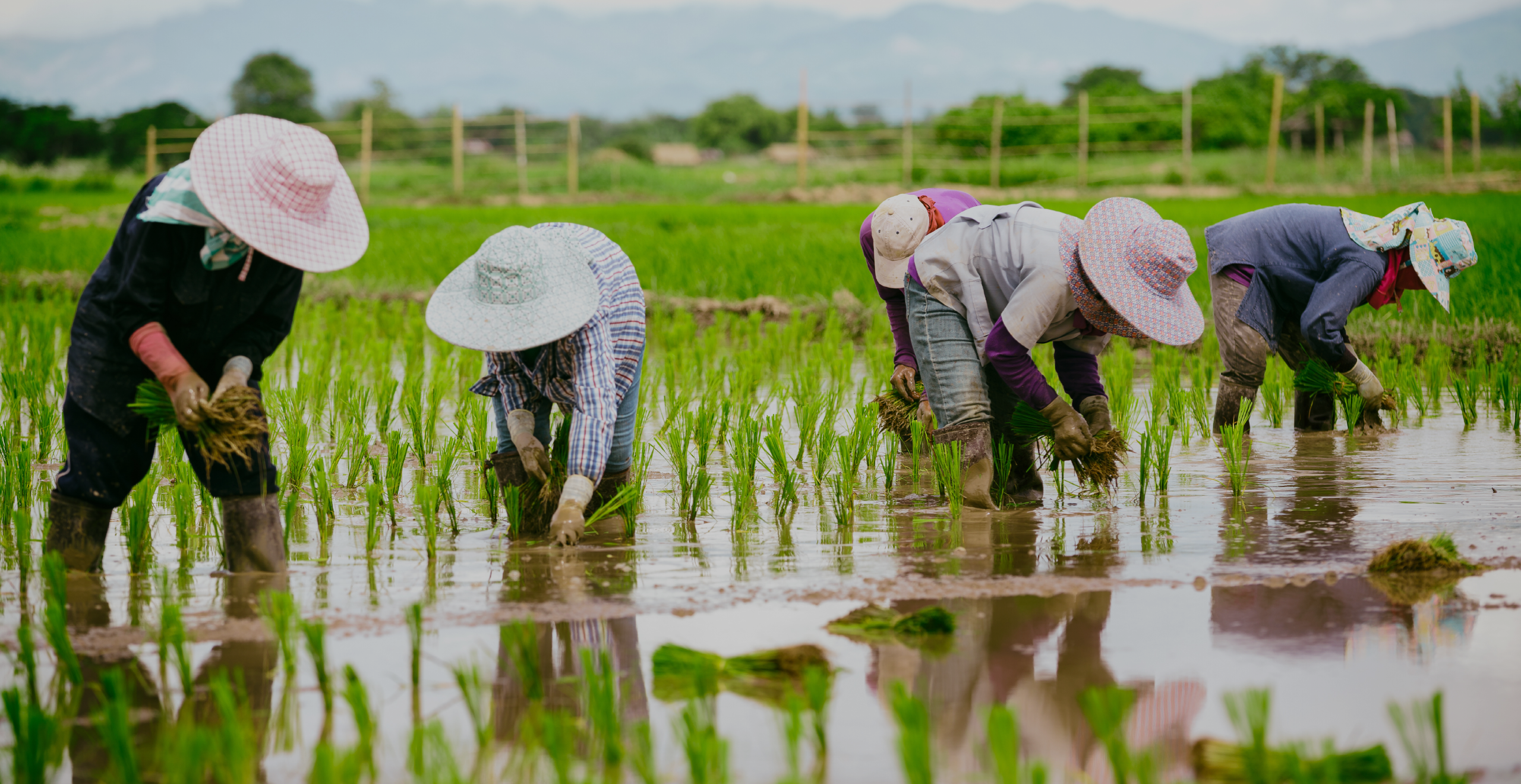
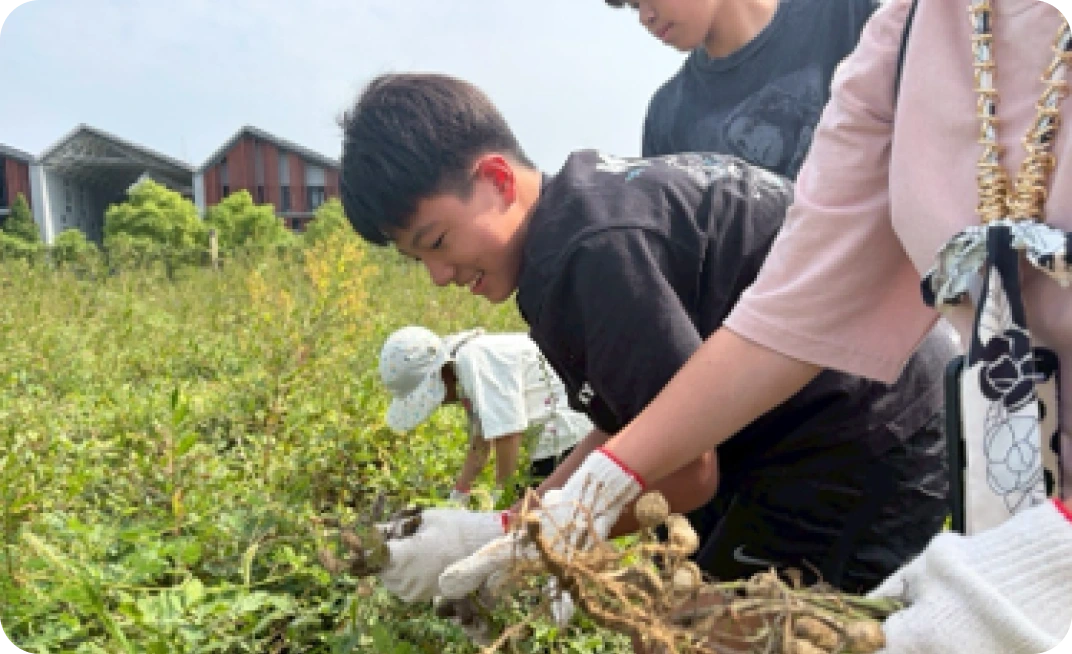
Yunlin is a county known for its agriculture, and its annual agricultural output ranks among the top three counties in Taiwan. However, only about 5% of cultivated land in the county is used for organic farming. The social enterprise AGRIC, along with local farmers, have long focused on promoting sustainable agriculture, enhancing food safety, as well as increasing the output value of organic agriculture. The company assists smallholder farmers in their production and sales. In 2025, WNC continued our partnership with AGRIC and spent NT$100,000 on purchasing 200 packs of locally grown organic peanuts and 200 jars of peanut butter in support of smallholder farmers. Additionally, the company recruited 48 employees and 124 of their family members to serve as volunteers, traveling to Yunlin to help smallholder farmers affected by a typhoon disaster harvest iceberg lettuce on a plot of land approximately 0.39 hectares in size. Our employees traveled to the farmland with their families and gained knowledge about organic agriculture. Through funding and volunteer manpower, WNC hopes to support organic farming while allowing employees to gain a deeper understanding of the land and smallholder farmers.
Amount of organic produce purchased by WNC employees
| Year | Amount of organic produce purchased | No. of volunteers | Amount of money spent by WNC and its employees (NT$) |
|---|---|---|---|
| 2025 | 200 packs of organic peanuts 200 jars of peanut butter | 172 | 100,0001 |
| 2024 | 1,000 kg of organic rice | 171 | 100,0002 |
| 2023 | 600 kg of organic rice | 25 | 172,3503 |
Note 1The purchases were all covered by WNC.
Note 2The organic price purchases were all covered by WNC.
Note 3WNC spent NT$10,350 and employees spent NT$162,000.