

Workplace



Occupational Safety and Health
WNC's policy commitment

Committed to Building a Healthy and Safe Working Environment
Developed in collaboration with labor representatives and approved by the President & CEO and senior executives, this Policy governs WNC’s commitment to creating a healthy and safe work environment for employees, contractors, visitors, partners and other personnel as well as minimizing the number of occupational accidents.

Comply with International Standards
Comply with international standards, local laws and other regulations in signed agreements related to occupational safety and health.

Adhere to the ISO 45001 Occupational Health and Safety Management System
Establish and maintain an ISO 45001 occupational safety and health management system, regularly conduct risk identification and formulate concrete short-, mid-, and long-term goals and action plans to achieve the goal of zero occupational incidents.

Implement Workplace Health Management Systems
Implement workplace health management systems and educate employees on how to prevent occupational injuries and illness. Adopt a “zero tolerance” principle towards workplace harassment, especially sexual harassment.

Deepen All Employees' Awareness of Occupational Safety and Health
Provide employees with training courses, communication channels and participation mechanisms to reinforce occupational safety and health performance awareness while optimizing cooperation with all stakeholders.
Note 1The scope of operational control includes employees, contractors, visitors, and business partners.
Occupational Safety and Health Committee
An Occupational Safety and Health Committee has been established for Taiwan sites in accordance with the Occupational Safety and Health Act. Committee meetings are held quarterly to review implementation results with the President & CEO as well as worker representatives. The committee members serve a two-year term. In 2025, 18 of the members were drawn from worker representatives, representing over one-third of the committee members. The committee broadly incorporates recommendations from worker representatives and integrates them into the planning and implementation of risk assessments, improvement actions, and training programs while regularly reporting to the Social Responsibility Working Group under the Board’s Sustainability Development Committee. Key areas of focus in 2025 included updating our Guidelines for the Prevention of Illegal Infringement in the Course of Duty, holding elections of labor representatives, and implementing annual turnaround safety management. Additionally, 347 contractors participated in this year’s consultative organization meetings.
At our China sites, a production safety committee holds monthly production safety management meetings, bringing together department-level managers from different units and labor union representatives. The committee also provides training sessions to assist safety personnel in obtaining professional certifications. A Labor Health and Safety Committee is set up at WNC’s Vietnam site. It convenes labor safety and health meetings quarterly, which are attended by 32 labor representatives from each unit. 22% of the representatives are from the Occupational Safety and Health unit. For our Mexico site, an Occupational Safety and Health Committee was established, with employee representatives comprising 40% of its membership.
Management systems and risk identification
WNC headquarters and its major production sites in Taiwan, China, and Vietnam have implemented the ISO 45001 Occupational Health and Safety Management System and obtained third-party verification. All certification documents remained valid throughout the reporting period and covered 100% of workers across operating sites. WNC continues to promote the standardization of occupational safety and health systems across all sites, while regularly reviewing the operation of these systems to prevent occupational disease and injury and promote employees’ physical and mental well-being. In 2025, no major occupational accidents occurred at any sites.
To continuously lower occupational health and safety risks, WNC has established a hazard identification and risk assessment procedure to systematically identify risks in the following areas: physical, chemical, ergonomic, biological, social and mental, and others. EHS coordinators are responsible for carrying out related tasks and completing professional training for ISO 45001 and ISO 14001 internal audits to strengthen risk identification and management capabilities. Each unit conducts regular risk identification annually, or on an ad hoc basis in response to operational changes, occupational injuries, near-miss events, or hazard reports. Risk levels are assessed through matrix analysis based on likelihood, severity, and frequency. For high-risk operations, corresponding control measures and targets are established and tracked on a monthly basis.
Risk identification process
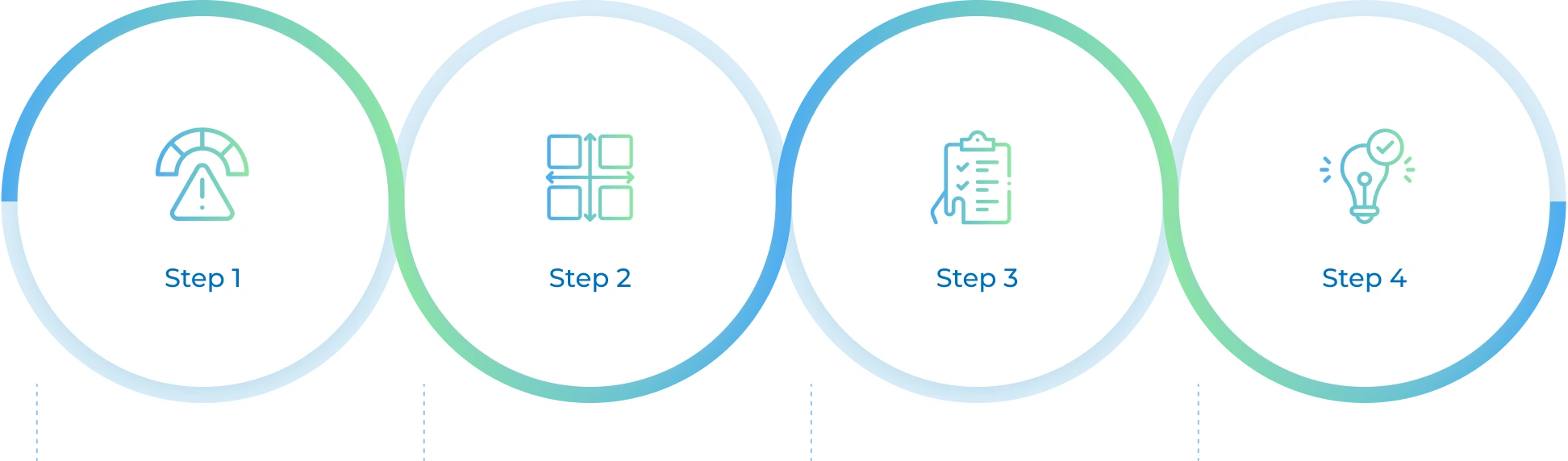
Hazards identification
The responsible department conducts an inventory of activities, products, services, etc. within its control that may cause personal injury, property damage, or environmental impact.
Risk assessment
Risk level is evaluated through matrix analysis of operations exposure frequency, probability of occurrence, and severity of consequences.
Control measures
Improvement plans are proposed to eliminate hazards or reduce occupational safety and health risks within a department.
Review of effectiveness
Residual risks are identified after control measures are in place, regular or aperiodic monitoring is conducted and measurement is done to ensure the effectiveness of controls.
Incident Investigation and occupational accidents
Taiwan sites perform event investigation and analyses for near misses, abnormalities, injuries, and major accidents in accordance with an Accident Investigation Management Procedure and formulate measures to prevent the re-occurrence of incidents and conduct inventory and improvement activities. In addition, we adopt the 5 Why methodology, FMEA (Failure Mode and Effect Analysis) and domino analysis methods to conduct a more in-depth review and discussion of the root causes of accidents. Following these reviews, we standardize specifications and strengthen fool-proofing mechanisms to mitigate risks at the source. To enhance investigation efficiency and root-cause analysis capabilities, WNC launched a digitized incident investigation and approval system in 2023. This system was also expanded to China and Vietnam sites in 2024, and to Mexico in 2025.
In 2025, WNC recorded 11 lost-time injury cases. All were physical hazards, mainly categorized as “struck by/caught in/rolled into/cut or abrasion injuries” and “falls/collisions.” There were no disabling injuries reported among non-employees, nor incidents resulting in permanent disability or death due to occupational injuries. Each incident has been investigated and analyzed. Responsible units have developed appropriate improvement and preventive measures in response to the increase in the number of employees and the changing environment to reduce operational risks for workers.
WNC employees occupational injury statistics in the recent four years
| Item | 2022 | 2023 | 2024 | 2025 |
|---|---|---|---|---|
| Total working hours1 | 23,969,608 | 23,126,848 | 21,624,512 | 31,512,168 |
| Number of recordable occupational injuries2 | 23 | 36 | 31 | 30 |
| Recordable occupational injuries3 | 0.96 | 1.55 | 1.43 | 0.95 |
| Number of serious occupational injuries4 | 0 | 0 | 0 | 18 |
| Percentage of serious occupational injuries5 | 0 | 0 | 0 | 0.03 |
| Number of lost-time injury cases6 | 12 | 25 | 8 | 11 |
| Lost-time injury rate7 | 0.5 | 1.08 | 0.37 | 0.35 |
| Fatalities resulting from occupational injuries | 0 | 0 | 0 | 0 |
| Fatality rate resulting from occupational injuries | 0 | 0 | 0 | 0 |
Note 1Total work hours = Number of employees in the category at year end × total number of working days × work hours per day.
Note 2Recordable occupational injuries: Work-related occupational injuries resulting in restricted work, transfer to another position, medical treatment beyond first aid, loss of consciousness, significant injury or illness, or death.
Note 3Recordable occupational injury rate = number of recordable occupational injuries/total work hours × 1,000,000
Note 4Serious occupational injuries: Injuries resulting in death or causing workers to be unable or to have difficulty in returning to their pre-injury health status within six months are considered occupational injuries.
Note 5Rate of serious occupational injury = number of serious occupational injuries (excluding fatalities)/hours worked × 1,000,000
Note 6Lost Time Injury (LTI) cases = injuries resulting in the employee being unable to report to work on the following day, with lost working time exceeding one day.
Note 7Lost Time Injury Rate = Number of Lost Time Injury (LTI) cases / Total work hours × 1,000,000
Note 8The 2025 occupational injury statistics fully cover all global sites, including the newly added site in Mexico, with a disclosure coverage rate of 100%. One serious occupational injury case was newly reported this year. The case involved an employee at the Mexico plant who developed stenosing tenosynovitis in the finger. It was determined that the condition was caused by repetitive motions related to the employee’s job duties, in combination with cumulative strain resulting from activities performed outside of work. After the incident, the plant implemented workstation rotation to reduce the risk of repetitive motions from a single task and to prevent similar occupational injuries from recurring.
Emergency response
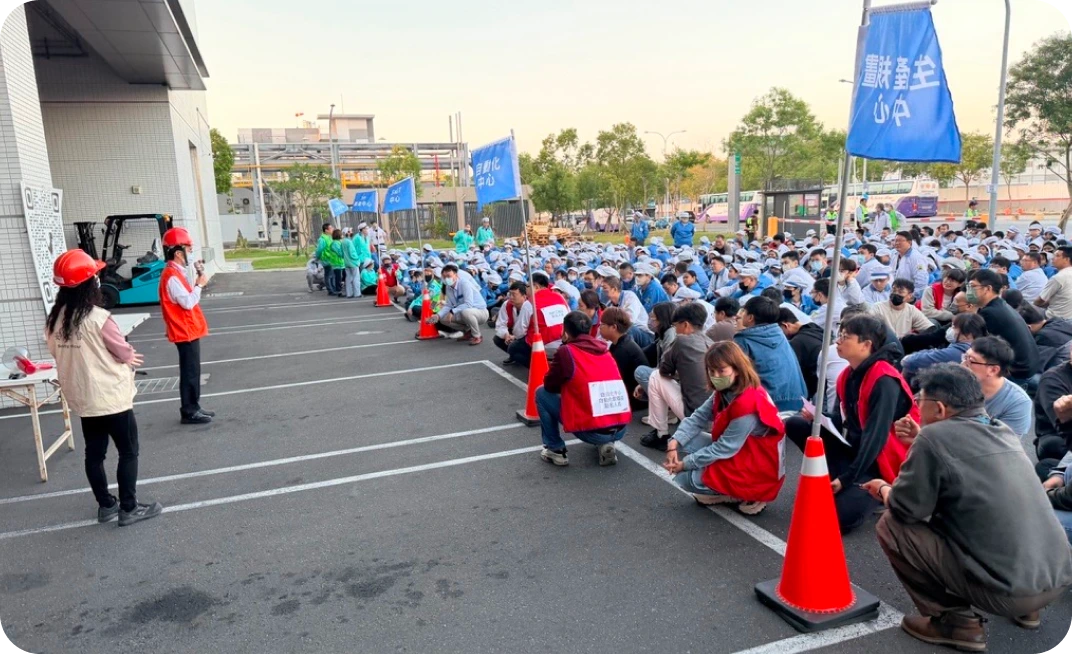
WNC has established emergency response teams across its global sites. Plant-wide evacuation drills are held every year, with the President & CEO and plant manager at each site serving as the general commander. WNC’s headquarters and S1 site in Taiwan analyzed the possible causes of domestic and overseas solar power system fire incidents in recent years, and incorporated relevant risks into compound disaster evacuation scenarios for the first time. By conducting on-site simulations of solar panel and inverter combustion and smoke dispersion, we validated the evacuation routes and emergency equipment dispatch mechanisms. Drill planning at the S3 plant assesses the on-site self-defense firefighting team's response capabilities during chemical disasters and fires.
In addition to plant-wide evacuations, WNC conducted chemical spill and server room fire drills across Taiwan sites. WNC holds firefighting skills and disaster prevention drills monthly at Kunshan sites. In 2025, WNC held a total of eight plant-wide fire evacuation drills at Kunshan and WebCom Communication (Kunshan), two for WebCom (Nanjing), four for the Vietnam site, and two for the Mexico site.
Occupational safety and health training
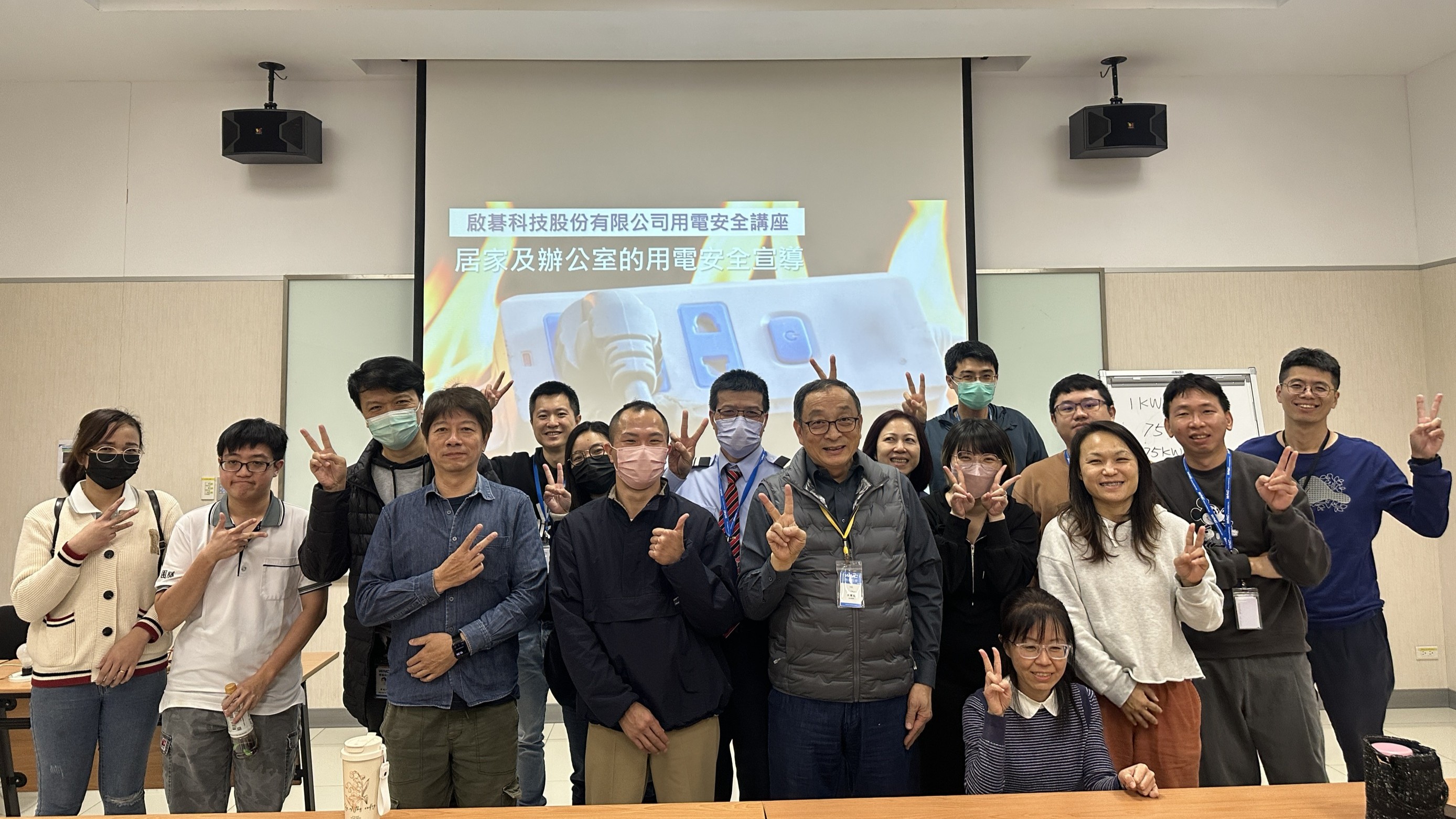
Pursuant to occupational safety and health measures, WNC holds aperiodic training sessions and invites the Industrial Safety unit or external consultants to enhance employees’ ability to respond to and predict hazards.
WNC Taiwan sites provide a 3-hour general safety and health training course to new employees upon their entry. Additionally, regular training sessions are conducted for current employees each year to emphasize safety awareness and reduce the risk of accidents. In 2025, a total of 6,199 participants attended the courses, accumulating a total of 8,420 training hours.
Equitable Workplace
Professional medical services and employee health check
All WNC sites employ nurses with past clinical experience in internal medicine, surgery, obstetrics and gynecology, pediatrics, and intensive care medicine. The facility nurses compile analyses of employees’ health issues, perform personal health hierarchical management, and plan annual health care and promotion activities accordingly to assist employees in enhancing their health awareness. At our Taiwan sites, we implement a health classification system (Grades A to E) for employees. Based on these classifications, we conduct regular health tracking, security guard education, plant doctor consultation or outpatient and emergency re-examination. In 2025, 864 medical consultations were conducted by company physicians, and the tracking rate at the Taiwan, China, and Vietnam sites reached 100%.
WNC’s Taiwan sites hold general and specific health examinations every year and offer occupational medicine specialists' on-site health services. Annual health check-up attendance rates reach as high as 99%. WNC’s annual health examinations for employees at Taiwan sites begin in June each year. In 2023, WNC upgraded the examinations and added new examination items such as abdominal ultrasound, glycated hemoglobin testing, and alpha-fetoprotein testing. We also provide personal health consultation to help assess employees health condition and whether their health is suited for the job duties they are handling.
After the 2025 employee health examination was completed, the follow-up completion rate for employees with moderate to severe health abnormalities was 100%. Employees’ personal health information is kept confidential to protect their personal data and privacy. In China and Vietnam, apart from a general health check, WNC also provides regular occupational and special health check items to employees with potential occupational disease hazards in accordance with local regulations. In Mexico, examination items include items related to respiratory and hearing protection, blood lead level monitoring, and the prevention of musculoskeletal injuries.

Health promotion activities
Employees' health risks are primarily concentrated in metabolic syndrome-related indicators. In 2025, WNC launched the "Join the Vitality Program – Level Up Your Health" fat-loss initiative, which combined a fitness app, InBody body composition testing, online nutrition and exercise courses, and community interaction to engage employees in fat reduction. A total of 799 employees participated, of whom 334 (71.2%) successfully reduced body fat by 3% or more.

Preventive care
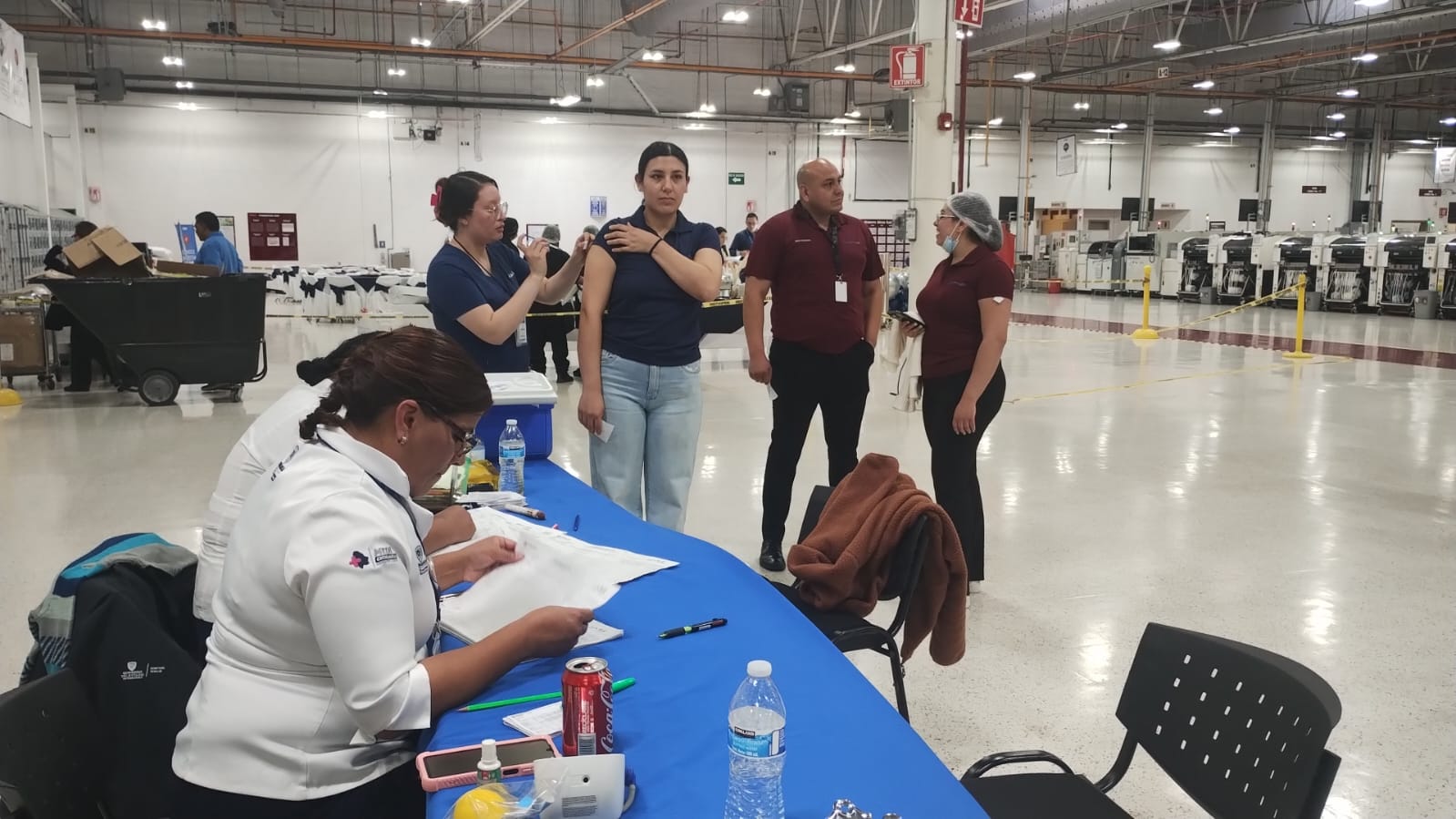
Since 2016, WNC has allocated an annual budget to promote influenza prevention and control, offering free influenza vaccination programs for all employees. In 2025, employees received a total of 2,461 flu vaccine doses, achieving a vaccination rate of 42.18%. We also subsidize MMR and hepatitis A vaccinations for employees traveling on overseas business trips. At our Mexico site, we provide chronic disease and cancer screenings alongside a vaccination program offering influenza, COVID-19, measles, and streptococcus pneumoniae vaccines. To date, a total of 513 vaccinations have been administered.
Emergency care system
All WNC’s sites across the globe implement an emergency care system. At our Taiwan sites, WNC provides a 24-hour facility nurse hotline, optimizes emergency staffing, and conducts regular first-responder training. We have also installed AEDs, and inspect them biannually. Hsinchu sites have signed an emergency ambulance contract with the Hsinchu Science Park Clinic, ensuring immediate medical support when needed. Our Vietnam and Nanjing sites have also installed AEDs while the Mexico site conducts regular emergency response training.
Mental health resources
WNC’s Taiwan sites launched an employee assistance program (EAP) in collaboration with external consulting agencies to develop a dedicated mobile app. Operating under strict confidentiality and with zero impact on work conditions or benefits, the program provides two-stage services: In the first stage, colleagues’ concerns are listened to for free and without time limits. In 2025, 17 employees utilized this service. In the second stage, professional consultants offer consultation services in six areas: legal, mental health, nutrition, work issues, finance, and long-term care. Every employee is entitled to three hours of free sessions annually. In 2025, 95 employees used these services, including 43 legal consultations, and 39 mental health counseling sessions. The Mexico site also promoted its EAP by distributing a service card to employees. More than 150 EAP-related online seminars were held throughout the year.
Contractor management
WNC has established contractor ESH management procedures, requiring contractors to sign a Commitment to Work Safety for Contractors in WNC Plants and a Construction Safety Commitment Agreement before in-plant operations. Contractors are also required to participate in training sessions on in-plant hazards. In 2025, 2,582 participants from 393 contractors completed the training across WNC’s Taiwan sites while 3,046 participants from 28 contractors completed the training at the Kunshan site. Once in-plant operations are approved, contractors must attend a toolbox meeting and confirm operational details with the responsible managers, and then proceed under continuous supervision.
WNC reviews contractors and categorizes them as A, B, and C grades annually. Guidance or replacement of contractors is executed according to review results. We have also introduced unscheduled construction evaluations for new contractors and clearly defined the contractor evaluation items, scoring standards and calculation formulas to ensure standardized assessments. In 2025, we completed evaluations for six facility constructors. In addition, we have established a dedicated checklist for higher-risk operations including hot work, roofing, elevated, and restricted operations, to ensure that contractors adhere to the safety standards throughout their work.
Apart from their designated contact persons, contractors can also communicate with WNC on matters such as work safety and health management via coordination meetings, toolbox meetings, hazard awareness training, vendor performance review, and on-site inspections. For routine on-site contractors, including security, catering, and cleaning staff, our general contractor agreement stipulates full compliance with the relevant provisions of the WNC. Contractors are also required to complete the Supplier Integrity Commitment, the Supplier ESG Questionnaire, and the Supplier Commitment to Sustainability Declaration before the effective date. The goal is to elevate their awareness of labor rights, integrity and OSH.
WNC contractor evaluation
Existing contractors
Type: Annual evaluation
- Training records
- Operational protective measures
- Automatic checks
- In-plant violations
- Certification requirements
New contractors
Type: Evaluation of new construction contractors
- Disclosure of major occupational injuries
- Certification requirements
- Work inspection mechanism
- Management system for onsite construction
- Sub-contractor review mechanism